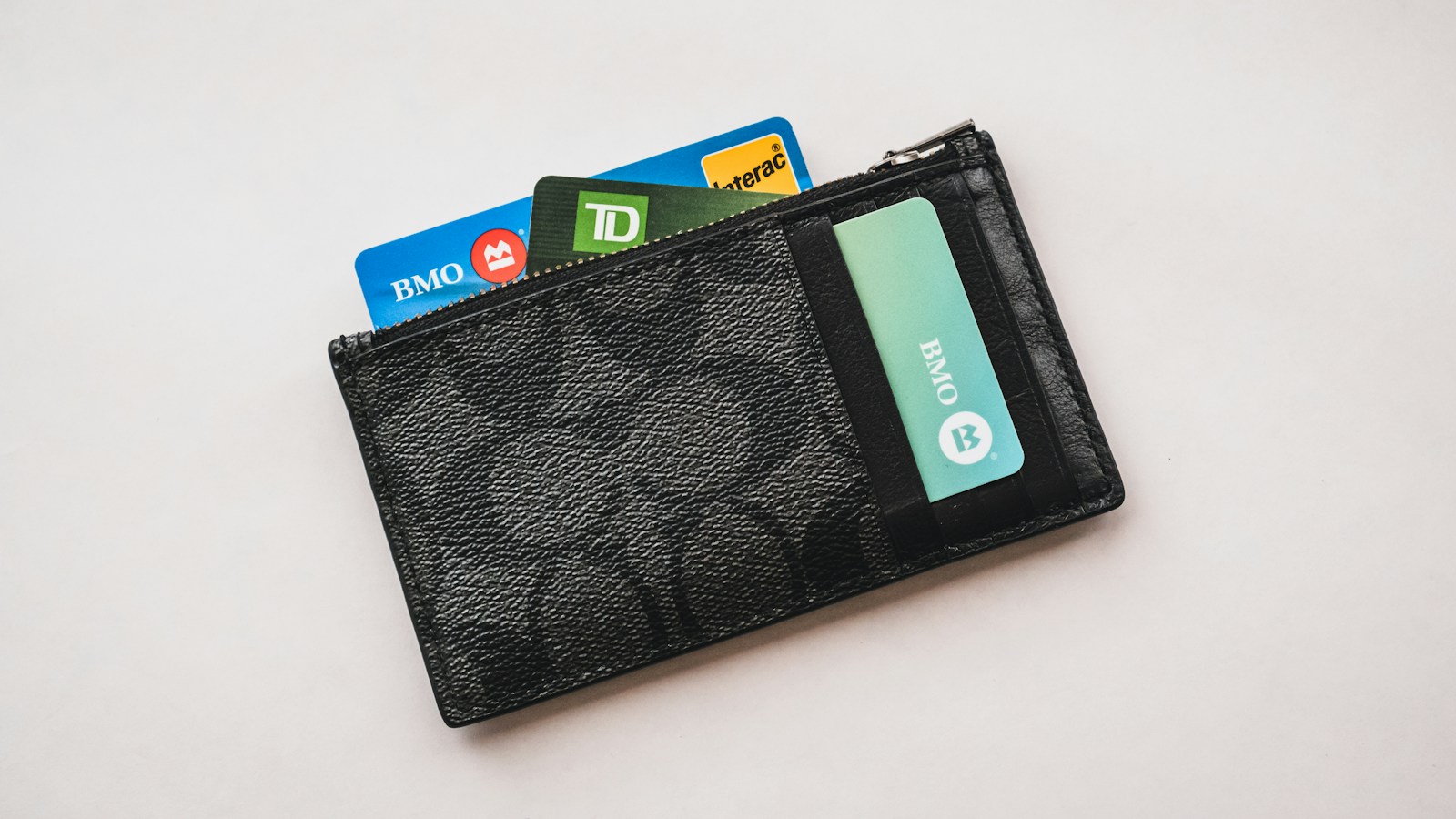
The country where you bank and the country where you pay tax are not necessarily the same. Confusing these concepts can create incorrect assumptions about reporting, withholding, documentation and account eligibility.
The goal is practical control: knowing where funds are held, why each account exists, which rules apply, and how to keep access secure when circumstances change.
Core principles
A strong international financial setup is easier to defend and manage when every moving part has a clear purpose. The following principles provide a practical framework.
- Tax residency is determined by domestic law and treaties.
- Banks classify customers using their own regulatory rules.
- A foreign account may still be reportable at home.
- Changing address does not automatically change tax residency.
- Multiple residencies can create overlapping obligations.
What often goes wrong
Problems usually come from assumptions, incomplete records or unnecessary complexity rather than from the international nature of the account itself.
- Assuming a foreign bank means foreign tax residency.
- Providing an outdated tax identification number.
- Ignoring dual-residency tie-breaker rules.

A practical checklist
Use this checklist as a starting point and adapt it to your residence, business activity, family situation and the countries involved.
- Identify every potential tax residence.
- Collect current tax identification numbers.
- Review treaty rules where relevant.
- Keep banks informed of genuine status changes.
- Use professional advice before restructuring major holdings.
Keep the structure understandable
The most durable international arrangements are not the most complicated ones. They are the ones a customer can explain clearly to a bank, accountant, lawyer or family member, with documents that support the explanation.
International planning should be reviewed whenever tax residence, ownership, business activity, family circumstances or regulation changes. Regular maintenance is what turns a one-time account opening into a reliable long-term financial system.