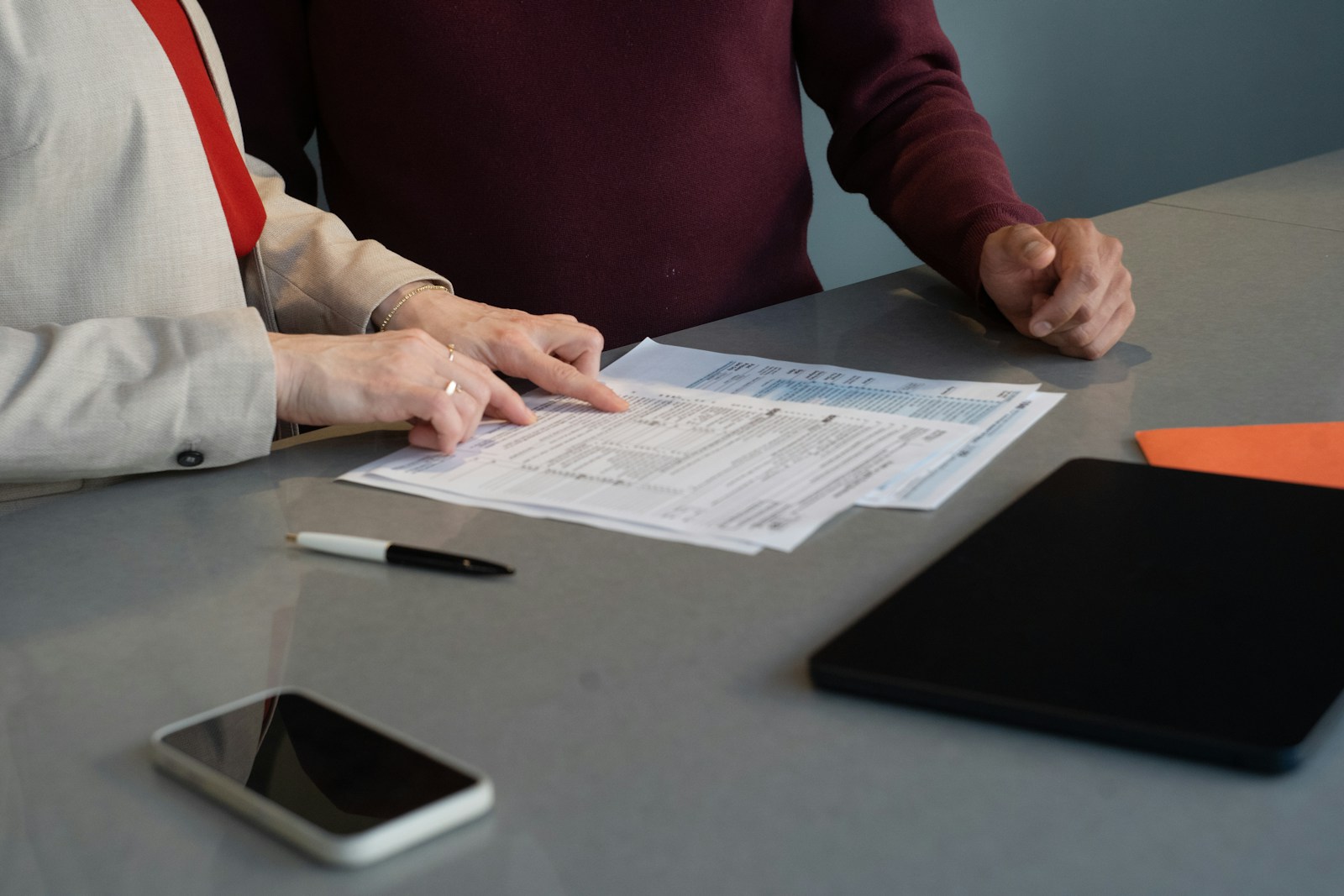
Banks legitimately require identity and financial information, but customers can still reduce unnecessary exposure by organizing what they share, using secure channels and understanding why each document is requested.
The goal is practical control: knowing where funds are held, why each account exists, which rules apply, and how to keep access secure when circumstances change.
Core principles
A strong international financial setup is easier to defend and manage when every moving part has a clear purpose. The following principles provide a practical framework.
- Provide exactly what the regulated institution requests.
- Redact unrelated information only when the bank confirms it is acceptable.
- Use secure upload portals instead of ordinary email when available.
- Keep copies of everything submitted.
- Track expiry dates for passports, proofs of address and corporate documents.
What often goes wrong
Problems usually come from assumptions, incomplete records or unnecessary complexity rather than from the international nature of the account itself.
- Sending more sensitive data than necessary.
- Using public file-sharing links.
- Forgetting which version of a document was submitted.

A practical checklist
Use this checklist as a starting point and adapt it to your residence, business activity, family situation and the countries involved.
- Create a dedicated compliance folder.
- Encrypt local archives.
- Record submission dates and recipients.
- Remove old public links to documents.
- Review access permissions every quarter.
Keep the structure understandable
The most durable international arrangements are not the most complicated ones. They are the ones a customer can explain clearly to a bank, accountant, lawyer or family member, with documents that support the explanation.
International planning should be reviewed whenever tax residence, ownership, business activity, family circumstances or regulation changes. Regular maintenance is what turns a one-time account opening into a reliable long-term financial system.